I was having a coffee in a quiet spot just outside of Leeds last week when I struck up a conversation with a local business owner. He runs a successful engineering firm and has slipped out for some peace and quiet, until I started taking to him. I often start talking to people, it’s part of being a business man. Earlier that day I started talking to a man in the toilet of a NatWest startup hub, and we added each other on LinkedIn. I call this “toilet networking”.
Anyway,
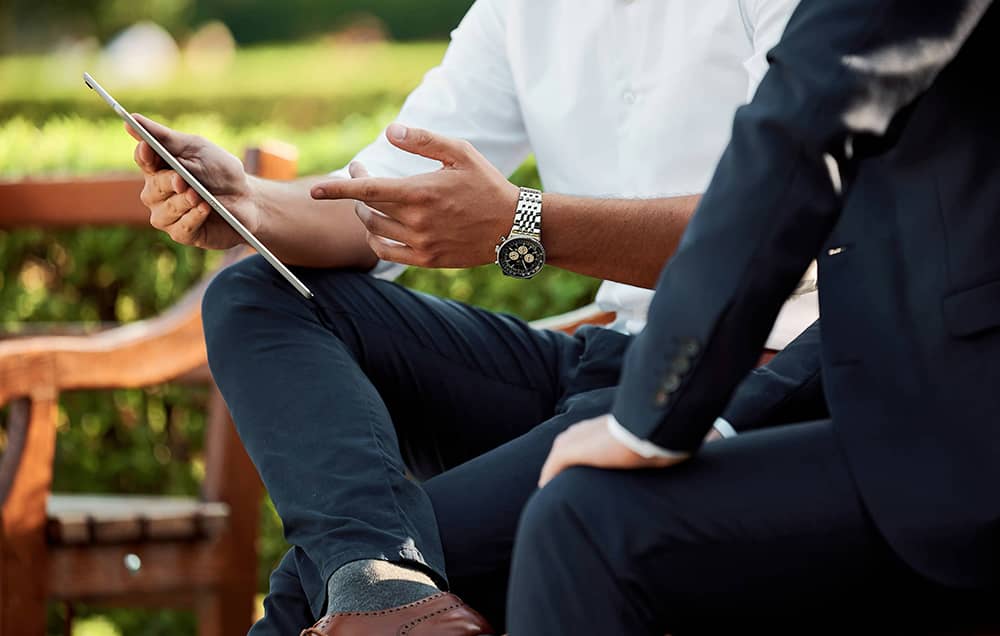
When I told him what I do, the topic of web design and digital strategy came up. He shrugged, took a sip of his tea, and said something that stuck with me: “I don’t believe in websites, Mike. We do things the old-fashioned way. Handshakes, recommendations, and looking people in the eye.”
I couldn’t help but smile. I know this is the way to do business and big deals are done this way. There is something admirable about a business built entirely on trust and a firm handshake. But as we kept talking, I realised he wasn’t just avoiding the internet, he was completely blind to what it was actually doing to his business. He is successful so why bother with something new and complicated. He didn’t know how technology can help him, leading to more successful handshakes, and more eye staring.
The Unseen Economy and why you need a website
The biggest misconception about having a digital presence is that it’s just an expensive digital business card. Many people are put off it due to its complexity and having had bad experiences with web designers in the past. I totally get that.
- The Old Guard: Believes business only happens when two people are actively talking in a room or on the phone.
- The New Guard: Recognises that there is a massive, parallel economy running 24/7—one where buyers research, vet, and choose partners before ever making contact.
By opting out of the web, my friend wasn’t just missing out on “online sales.” He was entirely absent from a massive industry that is forever growing. What opportunities is he missing out on?
Modern buyers, even in traditional B2B sectors, do their homework in the shadows, call it due diligence if you will. If you don’t exist online, you aren’t even in the running. You haven’t lost the contract; you were never invited to tender in the first place. Some customers will see it in a negative way if you don’t have a website that looks good and don’t have google reviews. How can they trust you? You can’t base a business deal with someone you’ve just met based on a good handshake. People are snakes!
When potential customers are looking for a service, they search online. For example, our customers look for ‘Web Designer Liverpool’ or ‘Handsome Man Who Builds Handsome Websites’. Then google shows the best results based on which business thinks is best suited, in that exact location.
If you aren’t in the race, you can’t possibly win.
The Ultimate Time-Saving Machine
When business leaders tell me they don’t need a website because they are “too busy with existing work,” they are looking at the tool entirely wrong. Because thats what a website is, a time saving tool, a problem solving tool.
A well-architected, managed website isn’t there to give you more administrative headaches. It’s there to buy your time back.
Think about the repetitive questions your team answers every single week. The capability statements you email out. The basic proof of credentials. A website acts as your most tireless employee, handling the vetting process, answering the FAQs, and establishing your authority while you sleep.
I built a vets website and setup their google business profile a few years ago. the number one feedback was “50% of our calls were asking what our opening hours are”. The website and google business profile answered those questions so customers didn’t need to call.
The Power of the “Digital Anchor”
You don’t need a complex, all-singing, all-dancing e-commerce platform to see a return on investment.
| Element | The Traditional Approach | The Modern Digital Anchor |
|---|---|---|
| First Impression | A cold call or a physical brochure. | A clean, fast, mobile-friendly landing page. |
| Trust Building | “Take my word for it.” | Case studies, accreditations, and visible expertise. |
| Accessibility | Available 9 AM to 5 PM. | Accessible whenever the client is ready to look. |
Even a basic, beautifully designed web presence yields results because it provides a safety net for your traditional marketing. When you shake hands with someone at a networking event, the very next thing they do when they get back to their desk is search your name on LinkedIn, but you dont have an account because you don’t like apps.
Your website gives your new contact a view into your world and what you do, why you do it, how good you are and what your customers think. It’s about trust, perceived value and loyalty.
A Modern Reality – handshake vs a website
Back at the coffee shop, I left my friend with a gentle thought. I don’t want him to stop doing business the old-fashioned way. Those relationships are the bedrock of any good enterprise.
But a website isn’t the enemy of the handshake, it’s the preamble to it.
If you are still relying entirely on the methods of the past, you might be surviving, but you are leaving your future growth entirely to chance. If you’re ready to give your reputation the digital home it deserves, let’s have a chat. No jargon, no hard sell, just a proper conversation about what your business actually needs next.
What advice would I give to someone who wants to get started with an online presence?
I would do 2 things as an absolute minimum. You can use any tool you wish, but something like Squarespace or Wix is great for beginners.
- Get a domain name and a basic web page setup. The web page should have all the basic information you’d expect to find. Then put information about who you are, what you do, and why you do it. In that order. Put relevant images on the page and a list of your services. Make sure you have a location address for your business, or a virtual post box will do.
- Setup a google business page. This will get you listed on google maps. Start asking your customers to leave a review for you. Do this consistently over time.
That’s it, google will put you on the listing and you will be listed on google maps. It takes time to rise to the point where you are at the top of these lists and it takes work, but the point here is that you need to make the first steps and get online. After this, you can make small changes.
I think customer reviews are the most powerful here. Check how many reviews your comparatives have and aim to meet and beat them. It has to be real though, no spammy fake reviews or google will suspend your account and you’re out of the race.
Let us do the hard work for you
Or you could just get in touch with us and we can do it for you. A basic website and google business setup is only £1500 and we will manage everything from £30 per month. Simply contact us to arrange a chat.